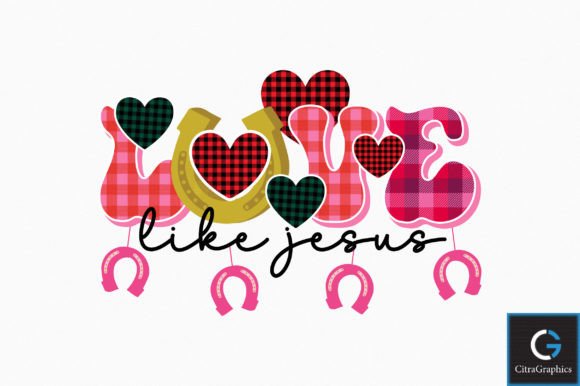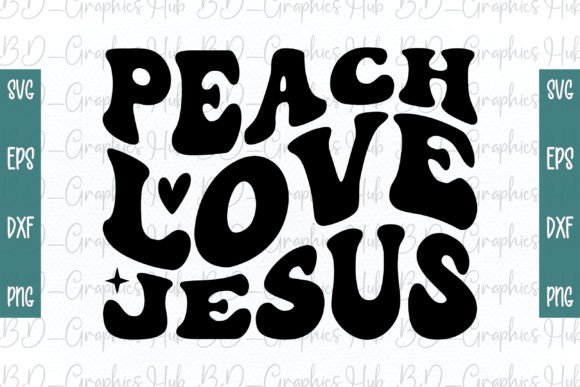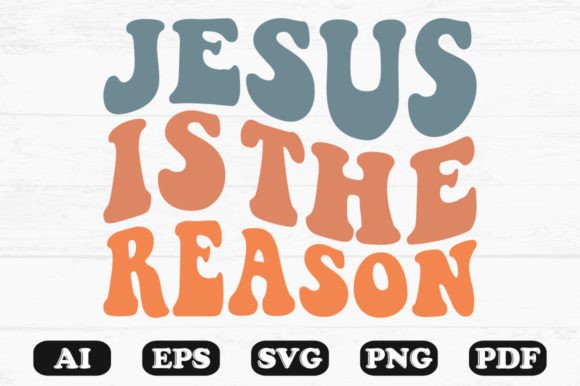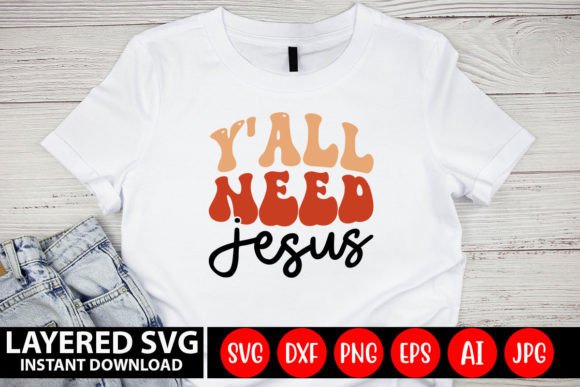
Retro No Bunny else Like Jesus Sublimati for Crafts
When I first opened the Retro No Bunny else Like Jesus Sublimati design file, I instantly recognized the kind of project energy that sells well at faith-based craft fairs and on Etsy shops catering to Christian buyers. The artwork carries a playful, vintage-inspired feel with a bold message that resonates with a specific niche audience. As someone who has spent years creating handmade products for small business branding and seasonal collections, I can tell you this graphic design asset has real potential—if you know how to use it correctly in your Cricut projects, sublimation designs, and printable product lines.
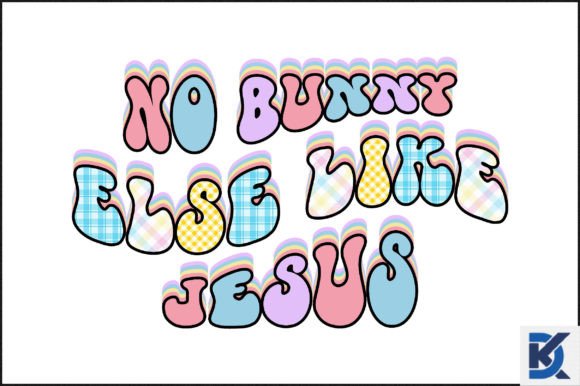
The mood is simultaneously nostalgic and lighthearted. It suggests a retro diner or 1950s aesthetic, but with a clear faith-based twist. The "No Bunny else Like Jesus" phrasing gives it a whimsical, almost pun-driven charm that works well for Easter collections, year-round religious gifts, or casual Christian apparel. It feels playful without being irreverent, and the retro styling adds a layer of warmth that appeals to buyers looking for something unique in a crowded handmade marketplace. This is not a minimal or elegant design—it is bold, cute, and conversation-starting. That makes it ideal for crafters who want to stand out at local markets or in an Etsy product listing.
Real Handmade Business Scenario: Prepping a Faith-Based Product Line
Imagine you are a handmade seller preparing a batch of custom mugs, T-shirts, and tote bags for an upcoming Easter craft fair. You want something that feels fresh but also connects with your local church community and online followers. Retro No Bunny else Like Jesus Sublimati fits directly into that plan. The design reads as both a decorative accent and a statement piece, so it can anchor an entire collection. I would start by testing it across several product types: a sublimation tumbler wrap, a direct-to-garment shirt print, and a layered vinyl window decal. In my experience, designs with this kind of retro typography and clear message perform best when they are the hero of the product, not buried under other elements.
First Impressions and Visual Personality
The first thing I noticed was the clean silhouette of the lettering and the bunny motif. The lines are thick enough to hold up in cutting projects, but I still recommend checking the SVG design carefully before you commit to a batch. The retro color palette—think soft pastels or bold two-tone combinations—will influence how you pair it with blank products. For a mug design, a cream or kraft background with the design in a contrasting color like mint green or coral pink creates that nostalgic look customers love. For T-shirt designs, a white or heather gray tee lets the artwork pop without competing with the fabric color. The illustration feels like it belongs in a design bundle aimed at Christian creatives, but its playful edge means it can also work for non-holiday gift items.
Best Uses in Cricut and Silhouette Projects
After testing the file in my own workflow, here is where Retro No Bunny else Like Jesus Sublimati truly shines in real crafting situations:
- Large cut files for vinyl decals: The bold lettering and simple bunny shape cut cleanly on my Cricut Maker. I recommend using permanent vinyl for outdoor use on water bottles or car windows. The design holds up well at 6 inches wide or larger.
- Sublimation designs for mugs and tumblers: The PNG design with a transparent background layers nicely over a patterned sublimation base. I tested it on a white tumbler with a pastel checkerboard wrap underneath, and the result was crisp and readable.
- Printable designs for greeting cards and gift tags: The artwork prints well at high resolution. I resized it to fit a 4x6 card and added a handwritten-style font for the inside message. It also works as a 2-inch gift tag for Easter baskets.
- T-shirt designs for print-on-demand: Whether you use heat transfer vinyl or direct-to-film, the design's clear shapes prevent registration issues. I found it looked best centered on the chest or as a small left-chest accent.
- Tote bag branding: A large version on a natural canvas tote bag attracted immediate attention at my last market. Customers commented on the retro vibe before even reading the text, which is a good sign for a conversation starter.
Where to Be Careful with This Design
Not every project benefits from this graphic design asset. I learned a few things the hard way so you do not have to:
- Very small cutting details: The bunny ears and inner letter spaces are not extremely fine, but if you shrink the design below 2.5 inches for a sticker design, the thinner parts of the typography may lose definition. Always test a small-scale cut before producing a batch.
- Layered vinyl projects with many colors: The design is strongest when used as a single-color cut or a two-layer sublimation. Avoid overcomplicating it with multiple vinyl layers, especially if the retro feel relies on a clean, bold outline.
- Low-contrast color combinations: Because the design has a playful, retro personality, pastel-on-pastel combos can wash it out. I tested it on a pale yellow shirt with white vinyl and had to redo it in a darker shade. High contrast keeps the message readable.
- Crowded compositions: This is not a background element. If you place it inside a busy pattern or alongside competing typography, the charm gets lost. Let it breathe as the focal point.
Practical Crafter Notes Before You Sell
Before you use Retro No Bunny else Like Jesus Sublimati for customer orders or your Etsy product listings, run through this checklist I use with every new design asset. It saves time, materials, and frustration.
- Test the SVG lines: Open the file in your design software and check for stray nodes or broken paths. I found the SVG design clean, but always zoom in on the bunny's outline to confirm it will cut smoothly.
- Preview PNG transparency: Make sure the background is truly transparent. A white halo around the artwork will show up on dark products, so check it against a dark preview background.
- Confirm resolution for sublimation: Sublimation requires at least 300 DPI at the final print size. This design passes that test for mugs and tumblers, but if you plan to blow it up for a large tote bag, verify the PNG resolution first.
- Test colors before printing: Print a small sample on paper or a test sublimation sheet. The retro palette you imagine may shift on different blank materials. Adjust saturation or contrast if needed.
- Place it on real mockups: Use a product mockup to see how the design reads on a curved mug or a folded T-shirt. I always adjust placement by 1/4 inch after seeing the mockup.
- Resize for different products: A design that works on a 4-inch sticker may look lost on a 15-inch tote bag. Scale the artwork proportionally and recheck the line thickness for each product size.
- Simplify the layout if needed: If you are adding extra text like a scripture verse or a shop name, keep it separate and use a sans serif font or a handwritten font that complements the retro style without competing.
- Confirm commercial licensing: Before you list anything for sale, verify that the commercial license for this digital product covers finished handmade goods. Most creative marketplace assets do, but double-check the terms to protect your handmade business.
Pairing the Design with the Right Font Styles
The typography in Retro No Bunny else Like Jesus Sublimati already carries a strong personality, so when I pair it with additional text on a card or a tag, I choose a sans serif font or a handwritten font that feels casual and friendly. A bold script font can work for a single word like "Blessed" or "Him," but avoid anything too ornate that clashes with the retro feel. For my own product line, I tested a simple block font for the back of a T-shirt design and a playful cursive for the inside of a greeting card. Both worked because they respected the primary design asset rather than overpowering it.
How This Asset Fits into a Handmade Business Collection
If you run an Etsy shop or sell at craft fairs, you know that seasonal collections drive repeat customers. Retro No Bunny else Like Jesus Sublimati can anchor an Easter or spring lineup, but its retro appeal also makes it viable for year-round Christian gift products. I have used similar design assets to create thank-you cards for church groups, planner stickers for faith-based bullet journals, and even small decorative accents for handmade packaging. The key is to keep the product simple and let the artwork do the work. Customers who buy faith-based handmade items often look for designs that feel personal and not mass-produced. This asset delivers that handmade touch because its retro illustration style does not look like generic clipart—it looks like someone cared about the layout.
Final Thoughts for Cricut Users and Small Business Owners
I have reviewed dozens of graphic design assets over the years, and Retro No Bunny else Like Jesus Sublimati stands out because it fills a specific niche without sacrificing quality. It is not a design bundle that tries to do everything; it is a focused illustration that knows its audience. For crafters who work with Cricut or Silhouette machines, the clean lines and clear message make it a reliable choice for vinyl cutting, sublimation, and printable projects. For handmade sellers building an Etsy product line or preparing for a local craft fair, it offers a ready-made theme that saves design time and connects with buyers emotionally.
Just remember to test your files, check your materials, and always respect the commercial license. A little preparation turns a good digital product into a bestseller at your booth. I will definitely be using this design again for my next seasonal collection, and I recommend you add it to your design assets library if you serve a faith-based audience. The reto style is not going away, and neither is the message that "No Bunny else Like Jesus" brings to your handmade business.